
Fauna and Flora Around My House
Published on: 01 Sep 2026
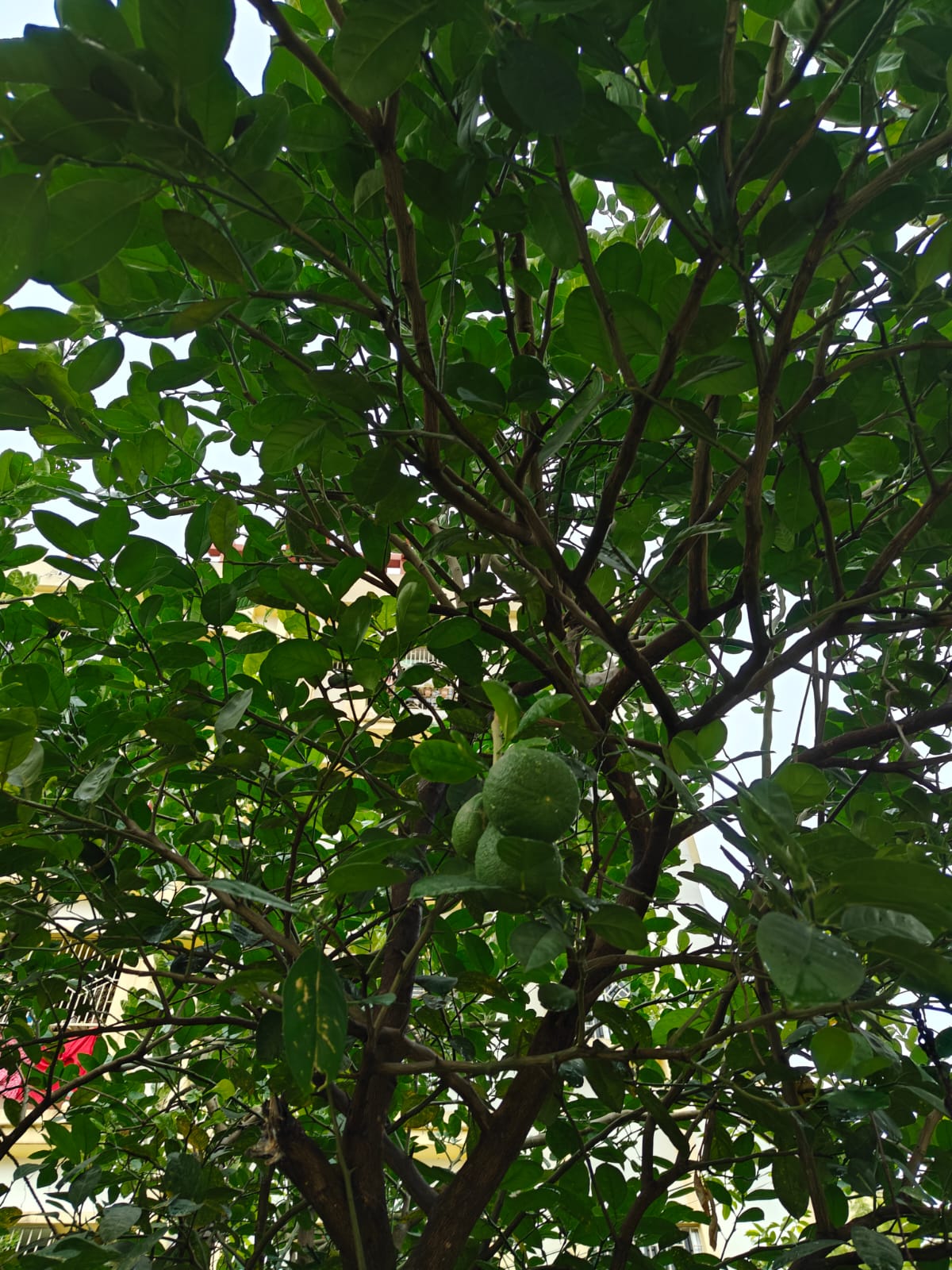
When we think of nature, we usually imagine dense forests, green fields or the countryside. However, nature can also be found in the middle of a busy city. Even with concrete roads, tall buildings and the constant sound of traffic, many plants and animals manage to survive around us. As a Class 11 student living in an urban area, I find it interesting to observe the flora and fauna around my house. It shows how nature can adapt even to a highly developed environment.The flora around my apartment building is a mixture of planted greenery and naturally growing plants. Since there is not much open space, most of the plants are found in pots, small patches of soil and balcony gardens. Plants like tulsi, money plant and aloe vera are commonly found around the houses. In the common compound, there are a few trees such as neem and gulmohar. Some small weeds and grasses also grow through cracks in the pavement and along the walls. These plants may look ordinary, but they are important because they provide greenery, reduce dust and make the surroundings more pleasant.
The greenery around the building also attracts different types of fauna. Birds are the most commonly seen animals. Pigeons and crows are usually found on rooftops and ledges, while sparrows and mynas can often be seen near the trees and bushes. Squirrels are sometimes seen running along the branches. There are also many small insects such as ants, butterflies, bees and spiders. At night, stray dogs and cats can be seen moving around the streets and nearby buildings. All these animals have adjusted their habits according to the conditions of city life.
The relationship between the flora and fauna around my house is quite interesting. Plants provide food and shelter to many birds and insects. Flowers provide nectar to bees and butterflies, which in turn help in pollination. Birds can also help in spreading seeds from one place to another. In this way, plants and animals depend on each other even in a small urban environment.
The flora and fauna around my house may not be as diverse as those found in forests or rural areas, but they are still an important part of our surroundings. Urban development has reduced natural spaces, so it is our responsibility to protect the greenery that remains. Planting more trees, maintaining gardens and avoiding unnecessary harm to birds and animals can help preserve this small ecosystem.
In conclusion, observing the flora and fauna around my house has made me realise that nature is present almost everywhere if we take the time to notice it. Even among concrete buildings and busy roads, plants and animals continue to survive and adapt. Protecting these small natural spaces can help make our cities healthier and more pleasant places to live.